Choosing the Right Roofing Material for Missouri and Illinois Weather
Choosing the Right Roofing Material for Missouri and Illinois Weather
St. Louis weather is brutal on roofs. Summer humidity bakes your shingles. Spring storms come through with hail and wind that tears things apart. Winter freeze and thaw cycles crack flashing. Then it all happens again next year.
Most homeowners think roofing is just about picking a color. It's not. It's about finding a material that actually stands up to what this region throws at it, installed properly, by someone who knows these conditions.
Asphalt Shingles: The Default
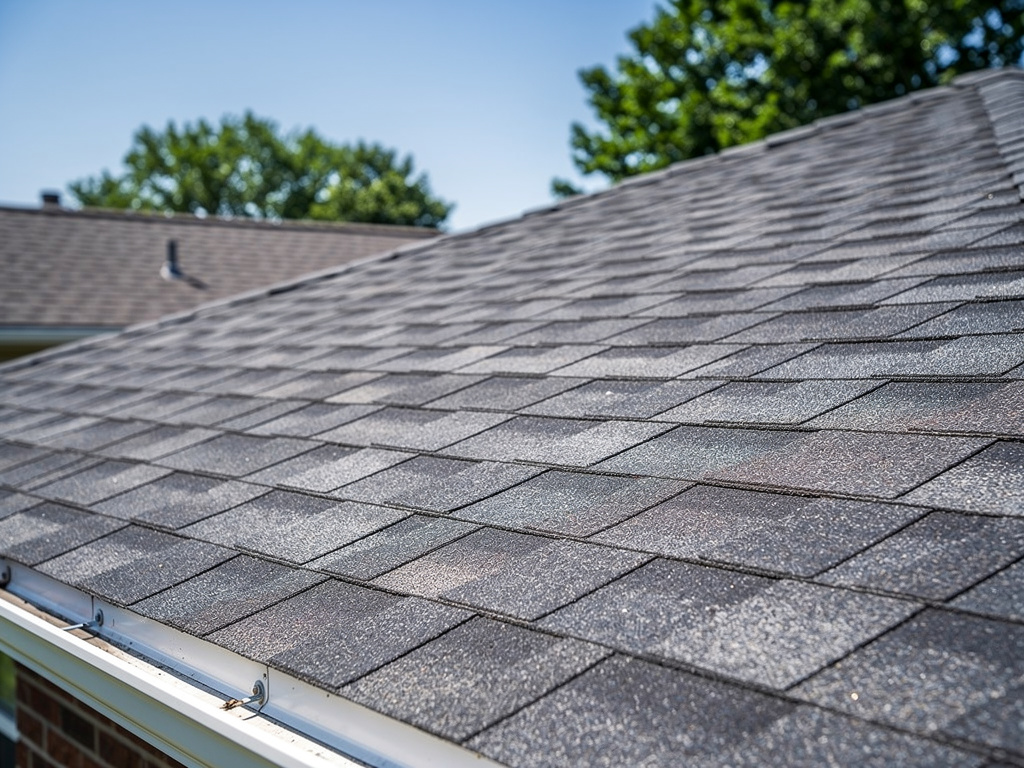
Asphalt shingles are everywhere in O'Fallon, St. Charles County, across the metro. They're common because they work. A quality architectural shingle with proper ventilation and flashing will get you 20 to 25 years in Missouri weather. Cheaper shingles won't make it past 15.
The difference isn't the shingle itself. It's what goes underneath. Your attic needs ventilation, because heat and moisture trapped in there shortens the life of any roof by years. The flashing around chimneys, valleys, and skylights has to be sealed tight, not just nailed down. And your installer has to know how to handle Midwest weather specifics.
We've seen roofs fail at year eight because someone skipped the ice and water shield on the first three feet of lower valleys. We've seen good shingles destroyed by poor ventilation that nobody bothered to check. A quality asphalt roof is about the system, not just the product.
Impact resistant shingles are worth considering if you're in a hail zone, but you're paying for it. Ask your insurance if you get a discount. Sometimes they do, sometimes they don't.
Metal Roofing: The Long Play
Metal roofing is getting popular, and for good reason. A standing seam metal roof will shed snow and rain better than anything else. They're lighter, they last longer, and maintenance is minimal.
But here's the honest part: metal roofing is not for every house, and not for every budget. If you love the curb appeal, great. If you're only looking at the math, the payoff takes 30 plus years in this region. You need to own the house or rent it out long enough for the ROI to show up.
Installation matters even more with metal than it does with shingles. Penetrations, where pipes, vents, and flashing break through, are where leaks start. Thermal expansion and contraction in the Midwest means those seams have to be installed by someone who understands the movement.
It's also worth noting that metal roofing isn't quiet in a rain or hail storm unless you have solid decking and insulation underneath. Some people like that sound. Some people hate it at 2 a.m.
Synthetic and Slate Look Products
You can get a synthetic shake or slate product that weighs less than the real thing and handles Midwest weather reasonably well. They can look great on the right house, older Victorians, historic homes, certain architectural styles.
The catch: they're expensive, and they need to be installed by someone familiar with that specific product. We've seen old, established contractors mess these up because the fastening pattern and flashing is different from shingles or metal.
If you have the budget and the house that calls for it, fine. Just make sure your contractor has actually installed that product before, not just "heard it works pretty good."
What Actually Matters (Beyond the Material)
Ventilation. This is not negotiable. Poor ventilation kills any roof in 10 to 15 years, no matter what you spent on the shingles. Your attic needs soffit vents, ridge vents, or a combination that maintains airflow. If you've got ice dams in winter and heat damage in summer, your ventilation is failing.
Roof slope. Some materials work on 4/12 pitch. Some need steeper. Some can go lower. Your roof's existing slope limits your options, so don't fight it.
Flashing. This is where most leaks come from. Chimneys, valleys, skylights, gutters, these all need flashing that's sealed and detailed properly. After 10 years, sealant dries out and cracks. Plan on reflashing some details over the life of the roof.
Maintenance expectations. Asphalt shingles need periodic inspection. Metal roofing needs almost none. Synthetic materials fall somewhere in between. Know what you're signing up for.
How to Actually Choose
Talk to a contractor who works in this region. Not someone who'll sell you whatever has the highest margin, but someone who'll tell you what makes sense for your house, your roof's age and condition, and how long you plan to stay there.
Get your roof inspected before you replace it. A lot of "roof failure" is actually a ventilation problem or flashing issue hiding underneath. Fixing the real problem is cheaper than replacing the whole roof.
If you had storm damage (hail, wind, a falling branch), call your insurance company. They'll send an adjuster. Don't just assume you need a new roof. Let the adjuster look first.
What We'd Pick
For most homes in this area, a quality architectural asphalt shingle with proper ventilation and ice and water shield is the right answer. It balances cost, durability, and performance for our weather. Metal is the upgrade if you're staying put for decades.
Either way, the contractor matters more than the material. Call someone local who knows the region, not a franchise that rotates crews through town.
If you want to talk about what makes sense for your roof, contact Cornerstone Construction at 314-916-6337 for a free evaluation.
Ready to Start Your Project?
Contact us today for a free consultation and detailed quote. Our team is ready to bring your vision to life.
24/7 Emergency Services: 314-916-6337